Let’s be honest—insurance is one of those things we all know we need, but nobody gets excited about. It’s like eating vegetables. Good for you? Yes. Fun? Not really.
But something interesting is happening. Insurance in 2026 and 2027 isn’t the same old boring system anymore. It’s changing fast—like your phone updates, except instead of new emojis, you get faster claims and fewer headaches (hopefully).
So the big question is: Is insurance actually better in 2027 compared to 2026?
Short answer: Yes… but also “it depends.”
Long answer: That’s exactly what we’re about to explore.
What Insurance Really Means Today (No Boring Definitions, Promise)
Think of insurance like a financial safety net. You pay a little money regularly so that if something bad happens (car accident, illness, house damage), you don’t end up crying over your bank balance.
But here’s the twist:
- In the past, insurance felt slow and confusing
- In 2026, it started getting smarter
- In 2027, it’s becoming almost… human-like (without the attitude)
And yes, sometimes it still feels like insurance companies speak a different language. But don’t worry—we’re translating everything into normal human words here.
A Quick Look Back: How Insurance Worked Before 2026
Before 2026, insurance had a few “classic” problems:
- Too much paperwork
- Slow claim approvals
- Confusing policies
- Customer service that felt like talking to a robot (even before AI)
If you ever filed a claim before, you probably remember:
“Please wait 7–10 business days…”
(Translation: “We’ll get back to you… eventually.”)
That’s exactly what the industry tried to fix starting in 2026.
Insurance in 2026: The “Almost There” Year
2026 was like the “beta version” of modern insurance. Things improved—but not perfectly.
Digital Transformation
Insurance companies finally realized people don’t enjoy visiting offices.
So they introduced:
- Mobile apps
- Online policy management
- Digital claims submission
You could now:
- Upload documents from your phone
- Track claims online
- Chat with support (sometimes helpful, sometimes… not)
Pricing Changes
Pricing became more flexible in 2026.
Instead of fixed costs:
- Usage-based insurance appeared (especially for cars)
- Discounts for healthy lifestyles (for health insurance)
Example:
If you drove less, you paid less.
Finally—something fair!
Customer Experience
Better than before, but still not perfect:
- Faster responses
- But still delays during peak times
- Some apps were great, others… looked like they were made in 2005
Pros of Insurance in 2026
- Easier access online
- Some personalization
- Faster than older systems
Cons of Insurance in 2026
- Still confusing policies
- AI not fully reliable
- Claims could still take time
Basically, 2026 said:
“Hey, we’re improving… just give us a minute.”
Insurance in 2027: The “Smarter & Faster” Upgrade
Now here comes 2027—the version where insurance companies finally started showing off.
AI and Automation
This is where things get interesting.
In 2027:
- AI handles customer support
- Claims are processed automatically
- Fraud detection improved
And surprisingly… it actually works better.
You submit a claim, and instead of waiting days:
👉 You might get approval in minutes.
Yes, minutes. Not a typo.
Personalized Policies
Insurance in 2027 feels more like a custom-made outfit instead of a one-size-fits-all T-shirt.
You get:
- Policies based on your habits
- Flexible coverage options
- Real-time adjustments
Example:
- Drive safely → lower premiums
- Exercise regularly → health discounts
It’s like your insurance company is quietly watching you… but in a helpful way. (Not creepy… hopefully.)
Claims Process Improvements
This is the biggest upgrade.
In 2027:
- Faster approvals
- Less paperwork
- More transparency
No more guessing:
“Where is my claim?”
Now you can track everything in real-time.
Pros of Insurance in 2027
- Super fast claims
- Highly personalized plans
- Better customer support
Cons of Insurance in 2027
- Privacy concerns
- Too much reliance on technology
- Not everyone trusts AI decisions
So yes, it’s smarter—but also raises new questions.
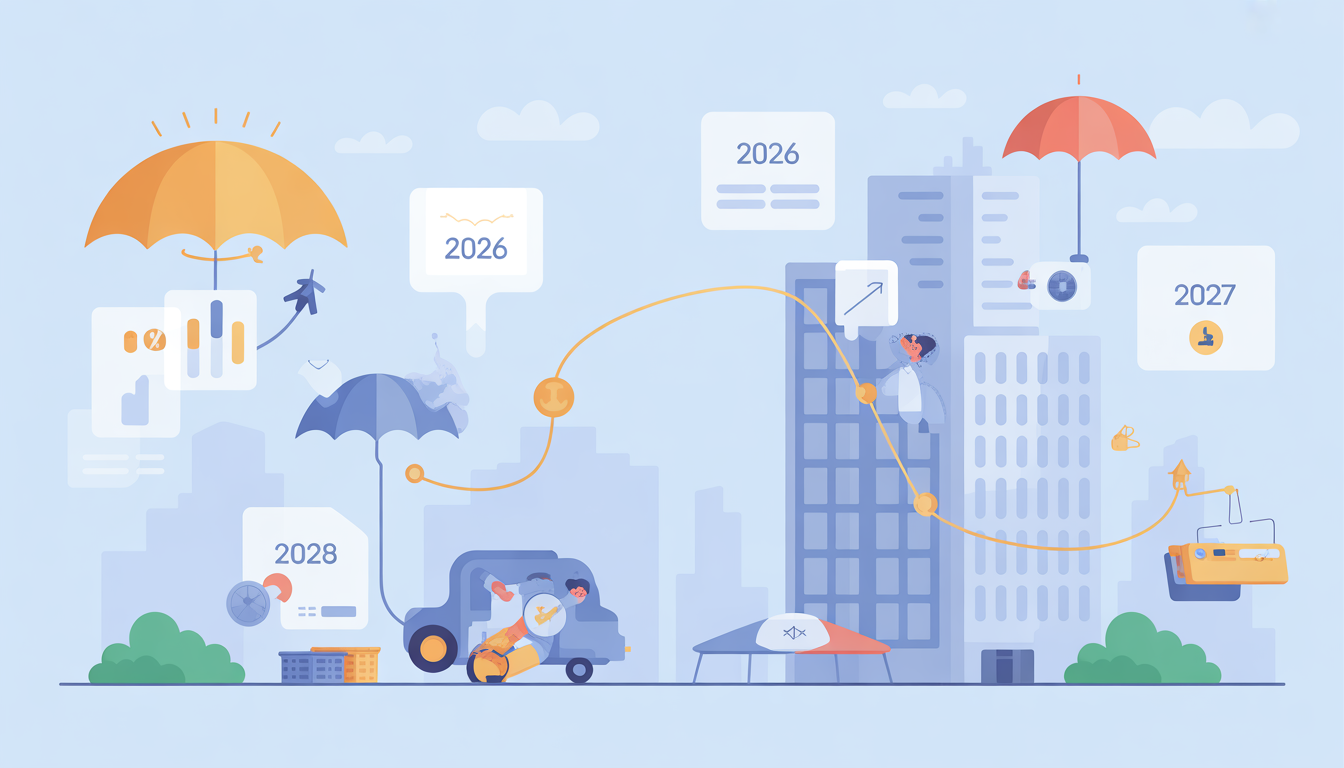
Key Differences Between 2026 and 2027
Let’s make it super clear.
| Feature | 2026 | 2027 |
|---|---|---|
| Technology | Improving | Advanced & AI-driven |
| Claims Speed | Medium | Fast (sometimes instant) |
| Personalization | Basic | Highly customized |
| Customer Experience | Better | Much smoother |
| Transparency | Limited | Real-time tracking |
What Customers Actually Care About (Hint: It’s Not Fancy Words)
Customers don’t care about “digital transformation strategies.”
They care about:
- “Will I get my money quickly?”
- “Is this affordable?”
- “Is it easy to understand?”
And in 2027, insurance is finally answering these questions better.
Real-Life Examples (Because Theory is Boring)
Let’s imagine two people:
In 2026
John gets into a car accident.
- Files a claim online
- Waits 3–5 days
- Gets updates slowly
Result:
He’s slightly annoyed… but it works.
In 2027
Sarah gets into a similar accident.
- Uploads photos
- AI reviews instantly
- Claim approved within hours
Result:
She’s shocked… in a good way.
Types of Insurance Compared (2026 vs 2027)
Health Insurance
2026:
- Basic tracking
- Some wellness rewards
2027:
- Real-time health monitoring
- Personalized plans
- Faster claims
Auto Insurance
2026:
- Usage-based pricing introduced
2027:
- Fully behavior-based
- Safer drivers pay much less
Home Insurance
2026:
- Standard coverage
2027:
- Smart home integration
- Instant damage assessment
Life Insurance
2026:
- Traditional policies
2027:
- Flexible and adjustable plans
The Role of Technology: Friend or Overly Smart Enemy?
Technology is the hero of this story… but also a little suspicious.
Pros:
- Faster service
- Better pricing
- Easier access
Cons:
- Data privacy concerns
- Too much automation
It’s like having a super smart assistant who knows everything about you. Helpful? Yes. Slightly scary? Also yes.
Is Insurance Cheaper in 2027? Let’s Talk Money
Good news:
It can be cheaper.
But only if:
- You have good habits
- You use tracking features
- You qualify for discounts
Bad news:
- Risky behavior = higher costs
- No more “average pricing”
So basically, insurance in 2027 rewards responsible people more.
Hidden Downsides Nobody Talks About
Let’s be real—nothing is perfect.
Some issues in 2027:
- AI mistakes can happen
- Less human interaction
- Data security risks
And sometimes, people just prefer talking to a real human—not a chatbot that says:
“Thank you for your patience.”
(After testing your patience.)
Tips for Choosing the Best Insurance in 2027
- Compare multiple providers
- Read the fine print (yes, actually read it)
- Check app usability
- Look for real customer reviews
- Don’t just choose the cheapest option
Common Mistakes to Avoid
- Ignoring policy details
- Choosing based only on price
- Not updating your coverage
- Trusting technology blindly
Final Verdict: 2026 vs 2027 – Which One Wins?
If we had to choose:
👉 2027 wins.
Why?
- Faster
- Smarter
- More customer-friendly
But…
It also comes with new challenges like privacy and over-automation.
Conclusion
Insurance has come a long way from confusing paperwork and slow responses.
- 2026 was the transition year
- 2027 is the upgrade
And for customers, that’s mostly good news.
So if you’re choosing insurance today, you’re in a much better position than people just a few years ago.
And who knows?