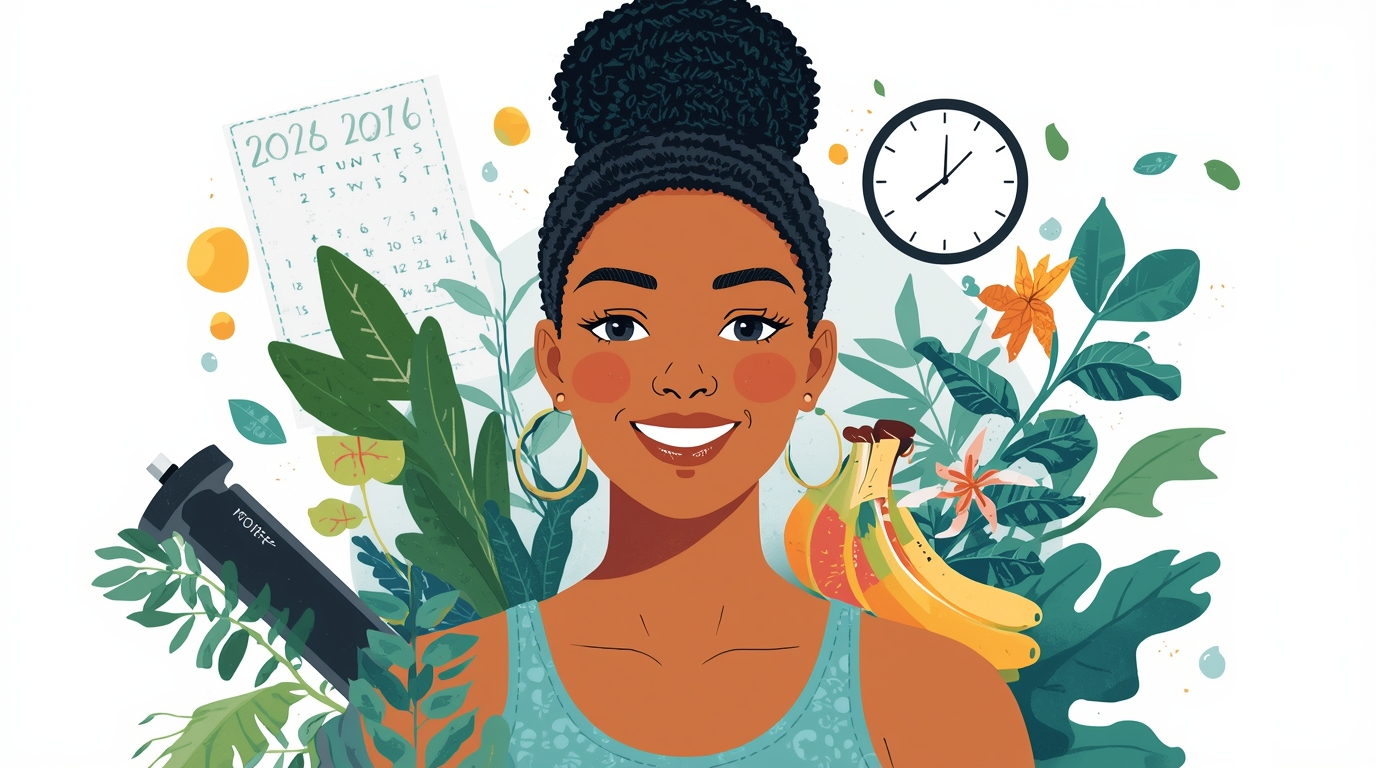
Introduction: Why 2026 Changed the Health Game
If health trends had a personality, 2026 would be the year they finally grew up.
Before that, health advice often felt loud, complicated, and slightly judgmental. One day carbs were the enemy. The next day, you were supposed to wake up at 5 a.m., drink green juice, meditate for an hour, run ten miles, and still smile.
In 2026, something refreshing happened. Health stopped trying to be perfect and started trying to be realistic.
As we step into 2027, many of the best health practices we now follow were born just last year. They weren’t created by influencers chasing likes. They came from real people trying to survive busy schedules, rising stress, and information overload.
This guide breaks down those practices in a way that actually makes sense.
The Shift From “Perfect” Health to Practical Health
One of the biggest changes in 2026 was a mindset shift.
People stopped asking, “What’s the perfect routine?”
They started asking, “What can I realistically stick to?”
This shift gave birth to practical health habits like:
-
Short daily movement instead of extreme workouts
-
Balanced meals instead of strict diets
-
Mental rest without guilt
-
Health plans that fit real life, not fantasy schedules
Health became less about discipline and more about consistency.
And guess what? That worked better.
Mental Fitness Becomes Daily Hygiene
In 2026, mental health stopped being treated like an emergency-only issue.
People finally accepted that mental fitness needs daily care, just like brushing your teeth.
New habits became normal:
-
Five-minute breathing breaks
-
Journaling without pressure
-
Saying “no” without explaining
-
Treating rest as productive
Therapy apps, guided audio sessions, and workplace mental breaks became common. But the biggest change was attitude.
Feeling stressed was no longer seen as weakness. Ignoring stress was.
In 2027, mental fitness isn’t a trend. It’s maintenance.
Short Workouts, Big Results
Long gym sessions started losing their popularity in 2026, and honestly, no one misses them.
People discovered that 10 to 20 minutes of focused movement could deliver real benefits.
Some popular workout styles born or refined in 2026 include:
-
Micro-strength training
-
Walking workouts
-
Mobility-focused routines
-
Low-impact functional exercises
The goal shifted from burning calories to building strength and flexibility for daily life.
In 2027, fitness isn’t about how long you train. It’s about how often you move.
Food Is Still Medicine, But Simpler
Nutrition advice used to feel like a chemistry exam.
In 2026, people got tired of overcomplicated food rules.
The new approach was simple:
-
Eat more real food
-
Reduce ultra-processed meals
-
Stop demonizing entire food groups
-
Focus on how food makes you feel
Meal planning became flexible. “Good enough” meals replaced Instagram-perfect plates.
People learned that consistency beats perfection, and eating well doesn’t require suffering.
That mindset carries strongly into 2027.
Sleep Is No Longer Optional
Sleep had been ignored for years. In 2026, it demanded attention.
Research, burnout culture, and rising anxiety forced people to admit one thing:
Lack of sleep breaks everything.
New sleep practices became common:
-
Fixed sleep schedules
-
Reduced late-night screen time
-
Sleep-friendly lighting
-
Evening wind-down routines
People stopped bragging about sleeping less. Instead, good sleep became a status symbol.
In 2027, protecting your sleep is seen as self-respect.
Digital Detox Goes Mainstream
In 2026, people didn’t quit technology — they learned to pause it.
Digital detox no longer meant disappearing for a month. It meant setting boundaries.
Common habits included:
-
Phone-free mornings
-
App limits
-
No screens during meals
-
Silent notifications
People realized that constant connection was draining their focus, mood, and energy.
By 2027, unplugging for a few hours feels normal, not rebellious.
Preventive Health Takes the Lead
Instead of waiting until something felt wrong, people in 2026 started paying attention earlier.
Preventive health gained popularity through:
-
Regular health checkups
-
Tracking basic body signals
-
Blood tests for early warning signs
-
Lifestyle adjustments before illness
The idea was simple: don’t wait for pain to force change.
In 2027, prevention isn’t expensive or scary. It’s just smart.
Community-Based Wellness Makes a Comeback
Health used to be lonely.
In 2026, people rediscovered that wellness works better together.
Community health practices included:
-
Group walks
-
Local fitness meetups
-
Shared meal prep
-
Support circles
Even online communities became more meaningful and less competitive.
In 2027, people understand that motivation grows when it’s shared.
Technology That Actually Helps (Not Controls)
Health technology matured in 2026.
Instead of overwhelming users with data, tools became supportive.
Popular changes included:
-
Simple health tracking
-
Alerts without pressure
-
AI health assistants with boundaries
-
Wearables focused on recovery
Technology stopped telling people what they were doing wrong and started helping them understand patterns.
In 2027, health tech feels like a guide, not a boss.
Health at Home: Clinics Move to Living Rooms
Another major shift in 2026 was home-based care.
Virtual consultations, at-home testing, and remote monitoring became normal.
Benefits included:
-
Less waiting time
-
Lower stress
-
Easier follow-ups
-
Better access
This made healthcare feel more personal and less intimidating.
In 2027, home health tools are part of everyday life.
Work-Life Balance Finally Gets Real
For years, work-life balance was just a buzzword.
In 2026, companies realized burnout was expensive.
Real changes included:
-
Flexible schedules
-
Mental health days
-
Focus on output, not hours
-
Respect for personal time
People learned that productivity doesn’t require exhaustion.
In 2027, balance isn’t a reward. It’s a requirement.
What These 2026 Health Practices Mean for 2027
The biggest lesson from 2026 is simple:
Health must fit real life to last.
In 2027, the best health practices are:
-
Flexible
-
Sustainable
-
Human
-
Forgiving
They don’t demand perfection. They reward consistency.
How to Start Adopting These Habits Today
You don’t need a full lifestyle overhaul.
Start small:
-
Walk more
-
Sleep better
-
Eat real food more often
-
Take mental breaks
-
Disconnect regularly
Health grows through tiny daily decisions, not dramatic changes.
Final Thoughts: Health That Fits Real Life
The health practices born in 2026 changed the rules.
They proved that wellness doesn’t need pressure, guilt, or extremes.
As we move through 2027, the smartest approach to health is the one you can actually live with.