
Introduction: Fitness Has Left the Gym Building
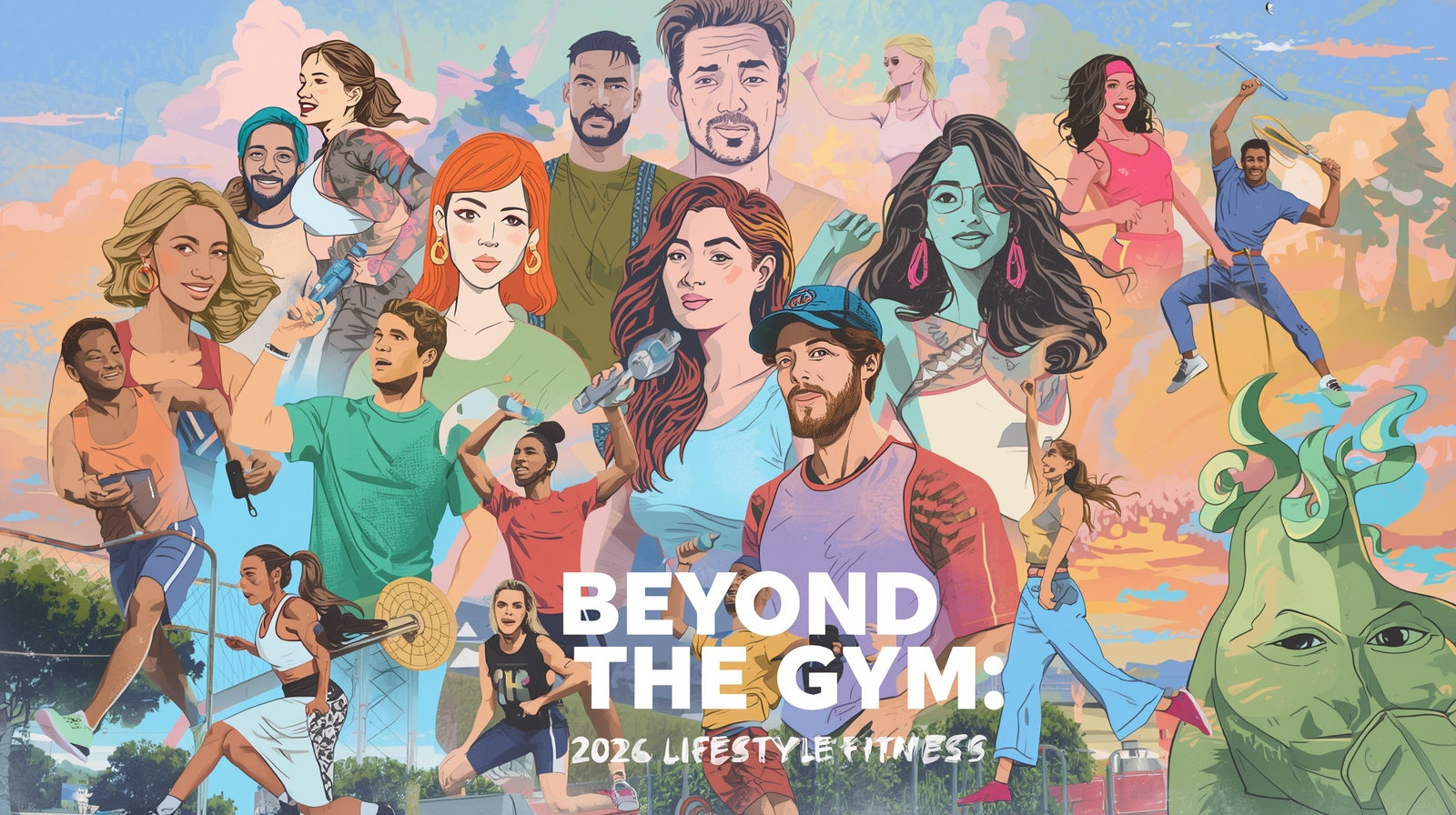
Not long ago, fitness meant one thing: a gym membership, a pair of headphones, and the quiet guilt of not going often enough. Fast forward to 2026, and fitness has politely walked out of the gym, waved goodbye to the treadmills, and moved straight into our daily lives. By 2027, lifestyle fitness is no longer a trend — it is just how people live.
This shift did not happen overnight. People got tired of rigid routines, intimidating gym culture, and programs that felt more like punishment than progress. They wanted movement that fit into real life, not the other way around. The result is a wave of lifestyle fitness trends that focus on flexibility, enjoyment, mental health, and long-term sustainability.
This article explores the biggest lifestyle fitness trends that emerged in 2026 and are growing even stronger in 2027. No complicated science, no fancy buzzwords — just simple explanations of how fitness is becoming more human, more realistic, and honestly, more fun.
What Lifestyle Fitness Really Means in 2027
Lifestyle fitness is not about six-pack abs or lifting the heaviest weights in the room. It is about moving your body in ways that support your everyday life. The goal is not perfection. The goal is consistency.
In 2027, fitness looks like:
- Moving regularly instead of occasionally going all-out
- Choosing activities you enjoy instead of ones you hate
- Mixing physical health with mental and emotional well-being
- Building habits you can keep for years, not weeks
People are no longer asking, “How fast can I change my body?” They are asking, “How can I feel better every day?”
Trend 1: Movement Snacks Instead of Long Workouts
One of the biggest changes in 2026 was the idea that workouts do not need to be long to be effective. This thinking has exploded in 2027.
Movement snacks are short bursts of activity spread throughout the day. Five minutes here, ten minutes there. A quick stretch in the morning. A short walk after lunch. A few squats while waiting for coffee.
Why this trend is growing:
- Busy schedules leave little room for long workouts
- Short movements feel less intimidating
- Consistency becomes easier
- Energy levels improve throughout the day
Instead of one exhausting workout, people now collect small wins. These tiny sessions add up and often lead to better results than irregular long workouts.
Trend 2: Walking as the New Power Exercise
Walking is no longer seen as “not enough.” In 2027, walking is respected, tracked, and intentionally planned.
From walking meetings to evening neighborhood walks, people are rediscovering how powerful simple movement can be. Walking supports heart health, mental clarity, joint health, and stress reduction — without beating up the body.
Popular walking-based habits include:
- Morning walks instead of scrolling on the phone
- Post-dinner walks to improve digestion
- Walking challenges with friends or coworkers
- Audio learning during walks (podcasts and audiobooks)
Walking fits into almost any lifestyle, which is why it continues to grow as a foundation of lifestyle fitness.
Trend 3: Fitness Blended With Mental Health
In 2026, the fitness industry finally admitted something people already knew: physical health and mental health are deeply connected. By 2027, this connection is front and center.
Workouts are no longer just about calories and reps. They are about mood, stress levels, and emotional balance.
Examples of this trend include:
- Yoga classes focused on nervous system regulation
- Strength training paired with breathwork
- Outdoor workouts designed to reduce anxiety
- Coaches talking openly about burnout and rest
People are learning that a calmer mind often leads to better physical results — not the other way around.
Trend 4: At-Home Fitness Gets Smarter and Softer
Home workouts are not new, but the way people approach them has changed. In 2027, at-home fitness is less aggressive and more personalized.
Instead of high-pressure programs, people prefer routines that adapt to their energy levels. Technology helps, but it does not dominate.
What makes modern at-home fitness different:
- Shorter sessions with flexible schedules
- Programs that suggest rest days when needed
- Focus on form, mobility, and recovery
- Less shouting, more guidance
Home workouts are no longer about “no excuses.” They are about realistic consistency.
Trend 5: Outdoor Fitness Becomes Everyday Fitness
Gyms still exist, but nature has become the preferred training partner for many people. Parks, beaches, hiking trails, and even city streets are now fitness spaces.
In 2027, outdoor fitness feels less like an event and more like a habit.
Popular outdoor fitness activities include:
- Trail walking and light hiking
- Outdoor yoga and stretching sessions
- Bodyweight workouts in parks
- Group movement meetups
Fresh air, sunlight, and changing scenery make exercise feel less like work and more like living.
Trend 6: Strength Training for Longevity, Not Looks
Strength training has moved away from pure aesthetics. In 2027, people lift weights to protect their future bodies.
The focus is on:
- Bone health
- Joint stability
- Injury prevention
- Daily functional strength
Instead of extreme lifting goals, people aim to carry groceries easily, move without pain, and stay independent as they age. Strength training is now framed as self-care, not self-punishment.
Trend 7: Fitness for All Ages, Not Just the Young
Lifestyle fitness in 2027 is inclusive. It speaks to teenagers, adults, and older populations equally.
Programs are designed with real bodies in mind — bodies with past injuries, busy lives, and changing energy levels.
This trend shows up as:
- Low-impact options becoming mainstream
- Age-friendly fitness content
- Emphasis on mobility and balance
- Less comparison, more personalization
Fitness is no longer a youth-only conversation. It is a lifelong one.
Trend 8: Wearable Tech That Supports, Not Controls
Wearable fitness devices are smarter in 2027, but also quieter. Instead of pushing people harder, they encourage balance.
Modern wearables focus on:
- Recovery and sleep quality
- Stress levels
- Daily movement patterns
- Gentle reminders instead of pressure
People are learning to use data as guidance, not judgment. The numbers serve the person, not the ego.
Trend 9: Community-Based Movement Returns
After years of solo workouts, people are moving together again. Community fitness does not mean intense group classes — it means shared movement.
Examples include:
- Walking clubs
- Casual weekend sports
- Neighborhood fitness meetups
- Online communities with offline goals
This trend proves that motivation grows when movement becomes social and supportive.
Trend 10: Recovery Is Finally Respected
In 2026, recovery started getting attention. In 2027, it earns full respect.
Stretching, sleep, hydration, and rest days are no longer optional extras. They are essential parts of fitness.
Recovery-focused habits include:
- Daily mobility routines
- Intentional rest days
- Sleep tracking without obsession
- Gentle movement on low-energy days
People now understand that progress happens during recovery, not just effort.
How Lifestyle Fitness Fits Into Real Life
The reason these trends are growing is simple: they work in real life.
Lifestyle fitness:
- Adapts to busy schedules
- Reduces guilt around missed workouts
- Encourages long-term consistency
- Supports both body and mind
It removes the pressure to be perfect and replaces it with permission to be human.
Challenges of Lifestyle Fitness (Yes, They Exist)
Lifestyle fitness is not perfect. It requires self-awareness and patience.
Common challenges include:
- Letting go of extreme goals
- Trusting slow progress
- Avoiding comparison on social media
- Staying consistent without rigid rules
However, those who stick with it often find better results over time — not just physically, but mentally.
What 2027 Tells Us About the Future of Fitness
The fitness world is moving away from extremes. The future belongs to balance, flexibility, and sustainability.
We are learning that fitness does not need to hurt to work. It needs to fit.
Conclusion: Fitness That Grows With You
Beyond the gym, beyond the mirrors, beyond the pressure — fitness in 2027 is about living well.
The trends that started in 2026 and continue to grow are not flashy. They are practical. They respect time, energy, and mental health.
Lifestyle fitness is not a phase. It is a return to common sense. Move often. Rest when needed. Enjoy the process. And most importantly, build a version of fitness that grows with you — not against you.